
- Home > News > Technical Support > Heat resistant light 80–120°C Wide Temperature LED Lights for Steel Mills & Forges-2025 Contractor Buying Guide
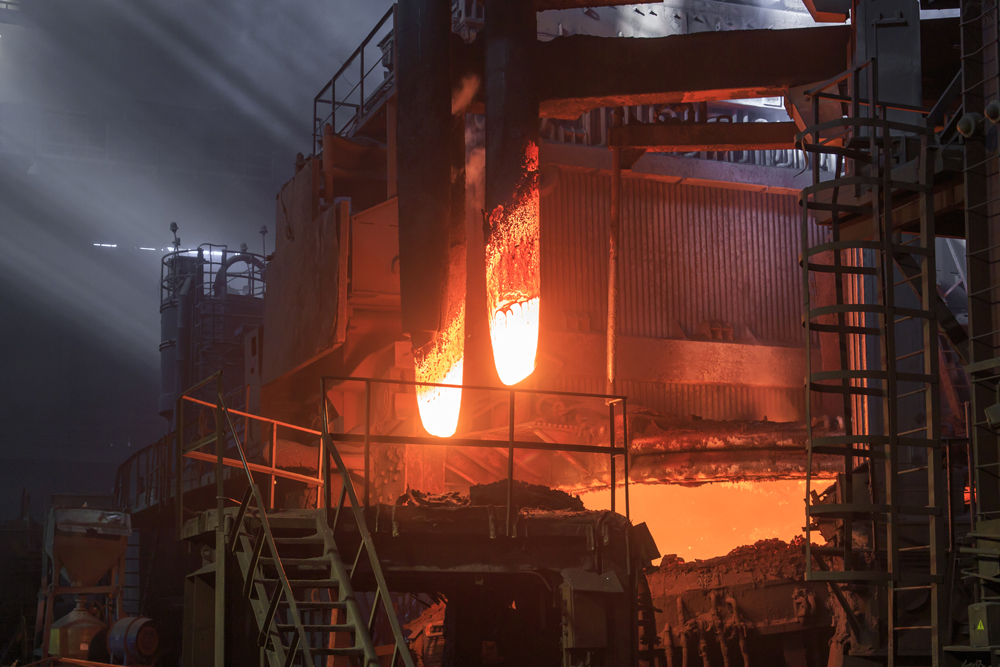
The Critical Challenge of Lighting in Extreme Temperature EnvironmentsSteel mills, forging facilities, and metal processing plants operate in ambient temperatures that routinely range from 80°C to 120°C, particularly in areas such as forging zones, rolling mills, furnace platforms, and metal recycling operations. Standard LED high bay lighting, designed with operational limits of approximately 85°C, fails rapidly in these conditions, resulting in frequent maintenance requirements that disrupt production and increase operational costs.
The Fundamental Limitation of Conventional LED LightingThe primary cause of premature failure in high-temperature industrial environments is the thermal constraint of traditional LED drivers. These components are typically limited to a maximum operating temperature of 85°C. When exposed to ambient temperatures exceeding this threshold, combined with self-generated heat from the LED chips, the internal temperature within the fixture exceeds the driver’s operational limits, accelerating component degradation and significantly reducing service life. Essential Design Requirements for Wide Temperature PerformanceEffective lighting solutions for 80–120°C environments must incorporate thermal management strategies that eliminate the primary point of failure associated with conventional driver electronics. The most reliable approach is a driverless design that removes the temperature-sensitive driver components entirely, combined with optimized heat dissipation systems specifically engineered for prolonged high-temperature operation. Verification Through Independent High-Temperature TestingReliable performance in extreme temperature environments must be substantiated through independent laboratory testing that replicates actual operating conditions. The definitive measure of suitability is the ability to maintain light output and operational functionality after continuous exposure to 100°C for an extended period. The following table presents the lumen maintenance results from UL testing at 100°C for 720 hours:
All tested fixtures remained fully operational after 720 hours of continuous exposure to 100°C, confirming their ability to perform reliably across the 80–120°C temperature range. Operational and Financial Benefits for ContractorsLighting solutions verified to operate effectively within the 80–120°C range provide significant operational advantages in steel mill and forging environments. The primary benefit is the substantial reduction in maintenance frequency, which eliminates the need for regular production interruptions required to replace failed fixtures. Specification Criteria for Reliable Wide Temperature LightingContractors specifying lighting for steel mills and forging facilities should establish the following performance requirements:
Contractor Specification RecommendationsFor projects involving steel mills, forging facilities, and similar high-temperature metalworking environments, the selection of lighting solutions should be based on independently verified performance data rather than manufacturer performance claims. Test documentation demonstrating sustained operation and lumen maintenance at 100°C provides the necessary evidence that lighting fixtures will perform reliably across the full range of ambient temperatures encountered in these applications. Pookoo Industrial Co., Ltd (PKLED) specializes in durable, high-performance heavy-duty LED industrial lighting engineered for harsh environments such as factories, warehouses, ports, and offshore facilities. Our fixtures are built to deliver stable illumination, long lifespan, and reliable operation under demanding conditions. Share your project requirements or operating environment with us — we’ll recommend the most suitable heavy-duty lighting solution tailored to your application. Related Articles
|
||||||||||||||||||||||||||||||
|
|
||||||||||||||||||||||||||||||